Tsingtao Beer Museum: ¥60 Tickets, Two Halls or Three, and No Reliable Walk-Up Counter
On this page
- The tickets, side by side
- Booking is not optional
- What you actually walk through
- Opening hours, and the last-entry trap
- Getting there
- How long to give it
- Arriving on a foreign passport
- Where a tour fits
- FAQ
- How much does the Tsingtao Beer Museum cost?
- Do I have to book in advance?
- What are the opening hours?
- Two halls or three?
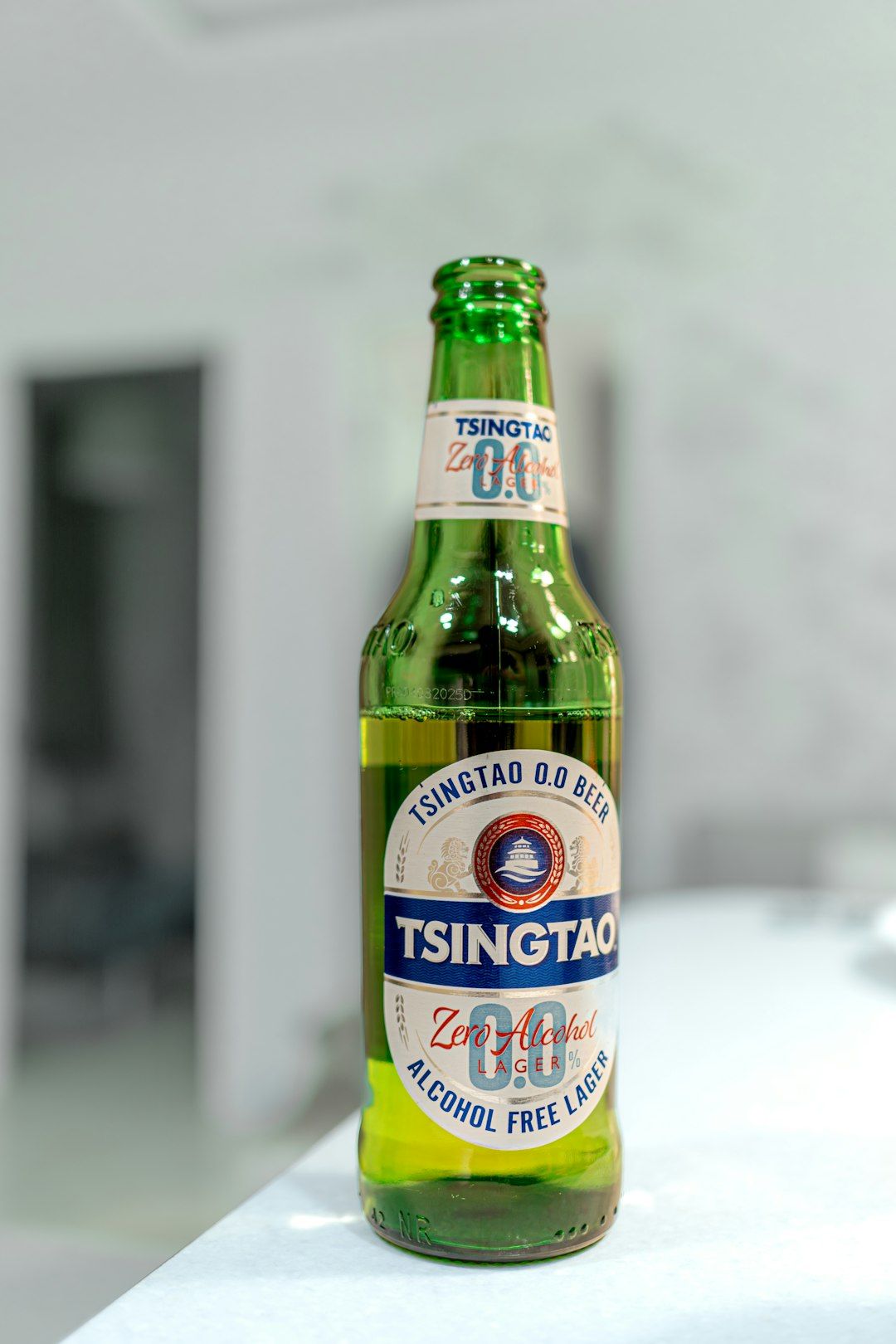
- Does the ticket include beer?
- Check dates and availability
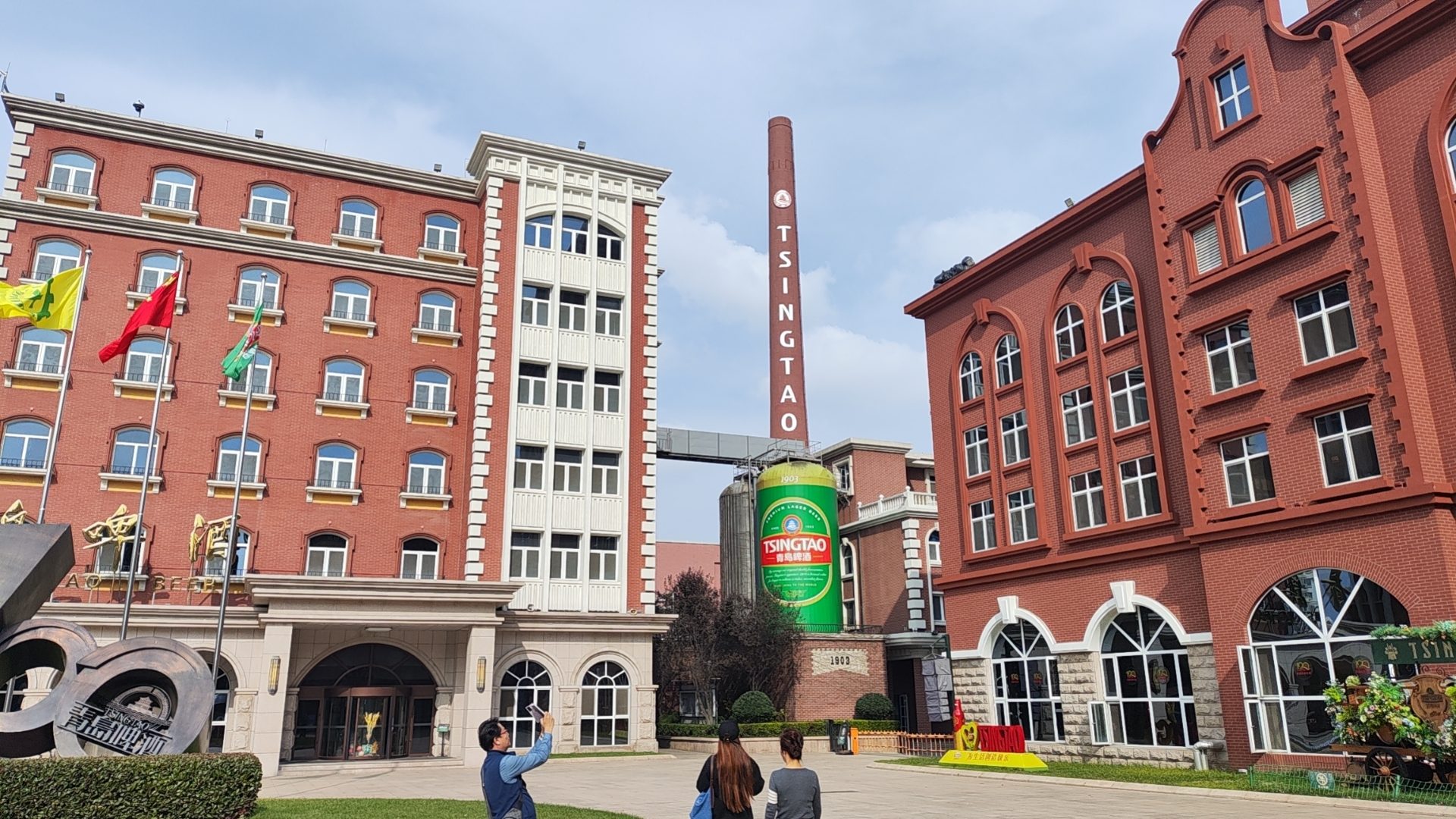
Most brewery museums are a corridor of old bottles with a tasting at the end. This one is different, and the reason is the address. Tsingtao Beer was brewed at 56 Dengzhou Road from 1903, and when the old plant was turned into a museum on 15 August 2003, the machinery was left standing where it had worked: mash tuns, copper kettles, fermentation tanks, the old electric motors. Then a modern bottling line was put back into the same building. You walk one corridor and go from hand-stirred malt to automated filling.
It is a national first-class museum and a nationally protected heritage site, and it is busy: more than 17 million visitors to date, roughly 20 percent of them from overseas, and over 250,000 foreign visitors in 2025 alone — about 70 percent more than the year before, as China's visa-free policies widened.
For a first-time visitor it is a two-step job: book in Chinese on WeChat, then show the same document at the door. There is no reliable walk-up counter, and admission stops an hour before closing.
The tickets, side by side
| Ticket | Price | What it is |
|---|---|---|
| Two-hall (Hall A + Hall B) | ¥60 | The core visit: history plus the working brewhouse |
| Three-hall | ¥95 | Adds the projection theatre |
| Student | ¥50 | Full-time undergraduate or below, age 23 and under, with ID |
| Senior, 60–69 | ¥30 | With ID |
The three-hall ticket costs ¥35 more, and what you get for it is one projection theatre. If you are giving the museum two hours, the two-hall ticket is the sensible default.
Free entry covers visitors aged 70 and over, children 1.4 m and under accompanied by an adult, disabled visitors, active and retired military personnel, firefighters, and holders of the Shandong high-level talent card. All of them still register at the front desk to swap for a ticket. Half price applies to seniors aged 60–69 and to veterans.
These prices come from online travel platforms rather than a published museum price list, so treat them as the going rate and check the official booking page on the day.
Booking is not optional
The museum's own instruction is to buy in advance through its WeChat official account and enter by presenting the original document used for the booking — your ID card or the booking QR code. The name on the booking has to match the document you are carrying. Queuing at the gate for a ticket is not a plan.
If you are booking on a foreign passport:
- The booking flow runs through a Chinese-language WeChat account. Have a translation app, or someone who reads Chinese, in the loop.
- The account is built around mainland ID cards, so the form will ask for the document you intend to carry. Make sure it accepts your passport number before you pay.
- Carry the passport itself, not a photo of it.
What you actually walk through
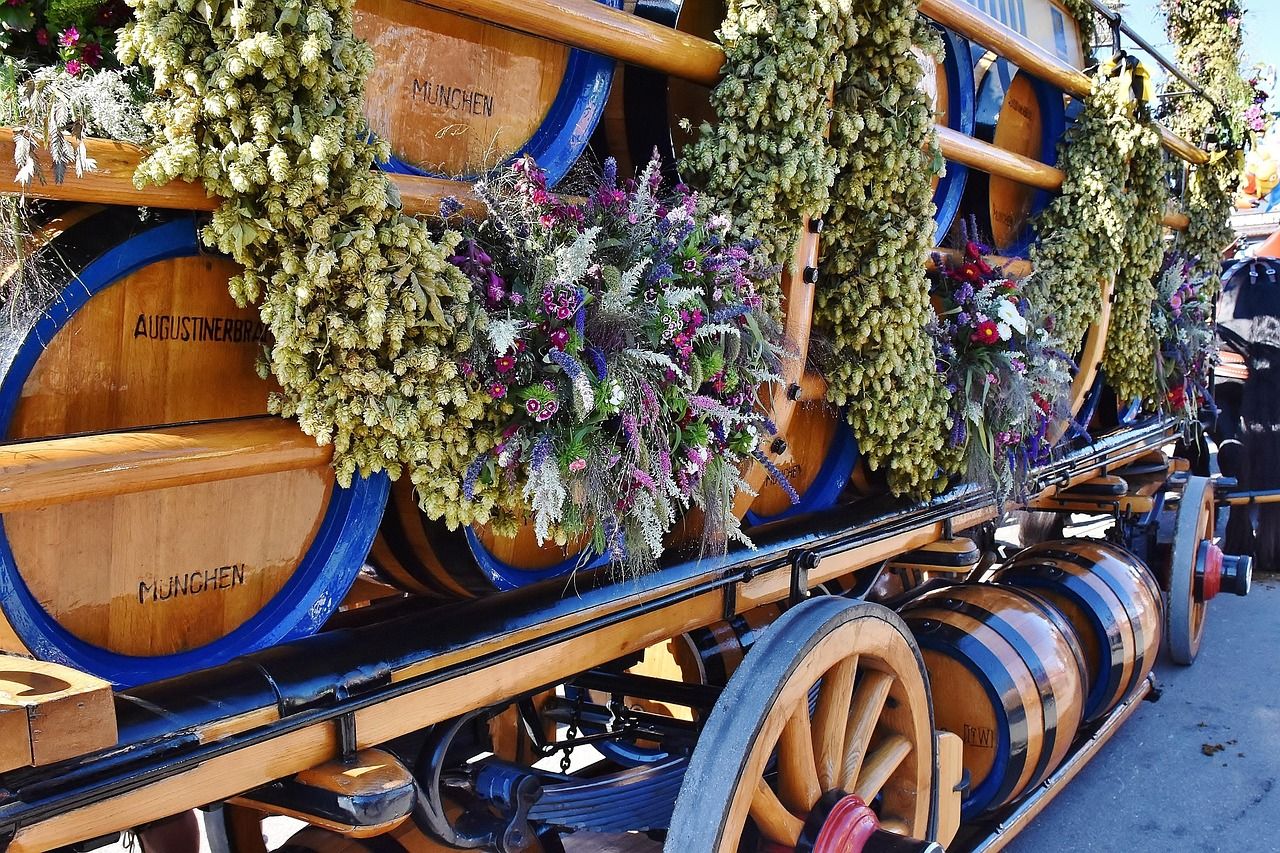
The museum is officially three core exhibition areas, and on the ground they run in a straight line.
Hall A — the history. 1903 to now, told through photographs, archive material, holograms and interactive displays, including the local beer culture that grew up around the plant. Beer in Qingdao is less a product than a way the city spends its evenings.
Hall B — the brewing. The reason to come. The century-old mash tun, the copper kettles and the old motors sit in the original brewhouse, and past them a glass wall separates you from the modern filling line running at full speed. Between the two, a holographic projection recreates brewers turning malt by hand. One corridor, one hundred years of Chinese manufacturing.
The experience area. A tilted room that fools your eyes so that walking in a straight line feels like walking after half a litre of unfiltered beer, plus light installations and AR stations. Weekends between 14:00 and 16:00 are the busiest stretch of the building.
Evening shows. A night programme and an immersive theatrical tour run as separate ticketed sessions with an irregular calendar. Check the official account for current dates rather than an older blog post.
The shop is unusually large for a museum: 20 product categories and more than 1,000 beer-culture items, plus beer bread, beer ice cream and beer fruit tea.
Opening hours, and the last-entry trap
| Season | Open | Last entry |
|---|---|---|
| 1 Jul – 31 Aug | 07:30 – 19:30 | 18:30 |
| 1 Sep – 31 Oct | 08:00 – 18:30 | 17:30 |
| 1 Nov – 30 Apr | 08:30 – 17:30 | 16:30 |
Last entry is always one hour before closing, which is the single most useful line on this page. Turning up at 17:00 in October to "catch the last hour" gets you 30 minutes: the door shuts at 17:30, not 18:30.
Getting there

- Metro. Line 1 or Line 2 to Taidong, Exit A. From there it is 80 m west along Taidong 1st Road, then 550 m south along Weihai Road and Dengzhou Road. This is the route the museum itself publishes.
- Bus. Routes 205, 217, 221 and 464 stop at a stop named after the museum, which puts you at the gate.
- Driving. Parking around Taidong is difficult, and you are going to a beer museum. Take the metro and leave the car.
How long to give it
Two to three hours inside is the museum's own suggestion; add the journey and the queue and four hours door to door is realistic. It is not close to the seafront classics such as Zhanqiao Pier or Badaguan, so this is a half-day rather than an afternoon add-on.
Arriving on a foreign passport
Qingdao Jiaodong International Airport is one of the ports covered by China's 240-hour visa-free transit policy, and visa-free arrivals made up 85.2 percent of all foreign entries into Shandong in the first half of 2026. The museum has added a multilingual system and verifies bookings by QR code on site, but carry a physical bank card as backup and confirm your visa or transit window before you fly.
Where a tour fits
The friction here is not the price but the process: a Chinese-language WeChat account, a real-name booking tied to your document, a metro transfer in an unfamiliar city, and a last-entry time that moves with the season. A guided day absorbs all of that, and an English-speaking guide also explains Hall B, where the interesting part is a set of 120-year-old machines labelled in Chinese.
Where a tour stops short: the ticket cannot be put in anyone else's name. Entry is issued against the document you carry, so your passport details go into the booking regardless of who makes it. Read what a listing includes — entrance, guide, tasting, transport — and check whether the ¥60 or ¥95 ticket is in the price or an extra you settle on the day.
FAQ
How much does the Tsingtao Beer Museum cost?
Online platforms list about ¥60 for the two-hall ticket (Hall A + Hall B), ¥95 for the three-hall ticket, ¥50 for students and ¥30 for seniors aged 60–69. Visitors aged 70 and over, children 1.4 m and under with an adult, disabled visitors, active and retired military personnel, firefighters and Shandong high-level talent card holders enter free. Prices change, so confirm on the official booking page.
Do I have to book in advance?
Yes. The museum asks visitors to buy through its WeChat official account in advance and to enter with the original document used for the booking. Popular slots sell out, and the gate is not a reliable place to buy.
What are the opening hours?
1 July to 31 August, 07:30–19:30. 1 September to 31 October, 08:00–18:30. 1 November to 30 April, 08:30–17:30. Last entry is one hour before closing in every season.
Two halls or three?
Two halls are Hall A (history) and Hall B (brewing). The three-hall ticket adds one projection theatre. With two hours on site, two halls are enough.
Does the ticket include beer?
The official line is that it includes a tasting of unfiltered beer straight off the line. The number of glasses and the volume served are not published consistently, so check the booking page before you count on it.
Some links in this section are affiliate links — we may earn a commission if you book through them, at no extra cost to you. Affiliate disclosure.
Check dates and availability
The museum is quick to walk through and slow to organise: a booking made in Chinese, on a real-name system tied to the document you carry, with a last-entry time that moves with the season. Given that, the only useful comparison is the inclusion list — entrance ticket, guide, transfer, tasting — and whether the ¥60 or ¥95 entry sits inside the price or comes as an extra on the day:
👉 Check dates and availability
Disclosure: This article includes an affiliate link. I may earn a commission if you book through it, at no extra cost to you. This guide describes publicly listed information only — I have not personally taken these tours.
Image sources: stock/library photos, credited where required.