South Bund Fabric Market, Shanghai: Custom Suits in 3–7 Days
On this page
- From a fabric street to a tailoring ecosystem
- The name is misleading — the trade changed long ago
- Why foreigners fly to Shanghai for one garment
- A garment that exists only for you
- Beyond tailoring: craft, live
- Is it worth a dedicated trip?
- Getting there
- Where a tour fits
- FAQ
- Where is the South Bund Fabric Market?
- How much does a custom suit cost?
- How long does an order take?
- Can I manage without Chinese?
- Can I claim a tax refund on custom clothing?
- How do I get the finished clothes home?
- Check dates and availability
The Bund, the Oriental Pearl Tower, Yu Garden — most first-time visitors to Shanghai pick one of these three for their first stop. A different sort of traveller heads straight to No. 399 Lujiabang Road, an unremarkable three-storey building.
On TripAdvisor's Shanghai attractions ranking it sits second, behind only the Bund. On 12 September a CCTV report followed an Italian tourist, Martina, who came here straight from the airport on her first day — the market is well known in Italy, she said, and she wanted to try it. Its name still contains the word "fabric"; twenty years ago it sold cloth, and it does not now.
From a fabric street to a tailoring ecosystem
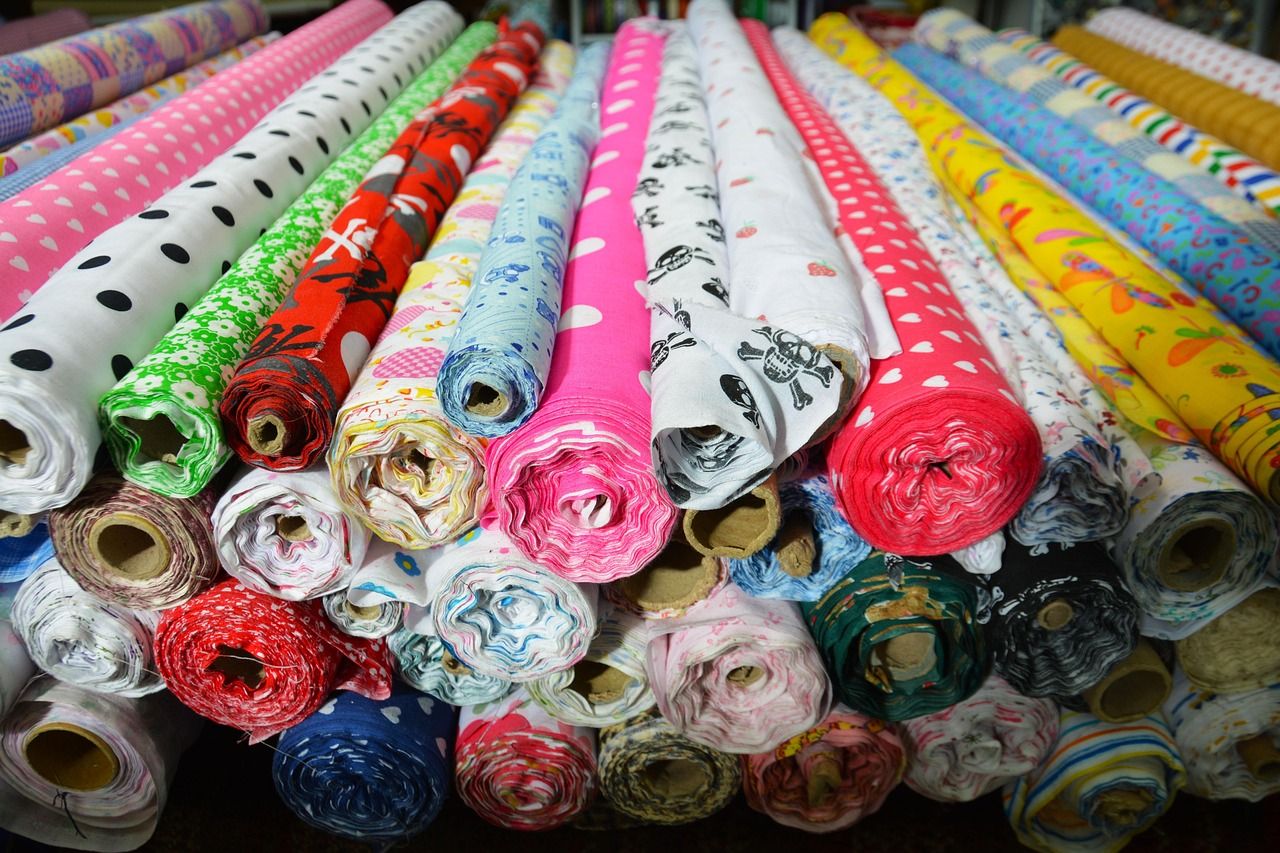
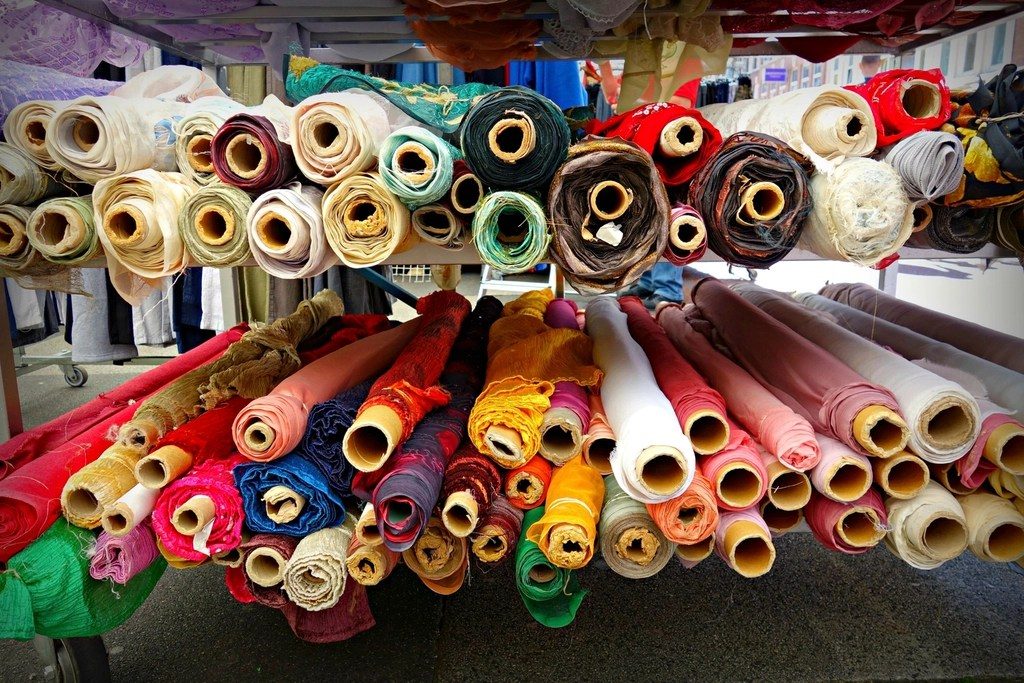
This began as the Dongjiadu Fabric Market. In the late 1990s Dongjiadu was a strip of scattered fabric stalls; in the mid-2000s, to make way for redevelopment, most merchants moved 500-plus metres to No. 399 Lujiabang Road — today's South Bund. The transformation came slowly: the general manager, Zhang Shengxiang, puts it simply — it used to be all fabric, the fabric trade shrank, custom tailoring grew, and after ten to twenty years 95% of the shops now focus on custom.
Today about 280 shops, fabric merchants and tailor workshops fill one building, forming a complete chain — pick fabric, choose a style, take measurements, pattern-making and sewing — all here or in the workshops behind.
The numbers show how much the trade depends on foreign visitors: 2025 market sales reached ¥600 million, of which foreign tourists contributed 70%. Deputy general manager Wang Cuicui says foreign visitors account for 50–60% of customers — a smaller share than their 70% of sales, because they tend to buy higher-value custom pieces. In suit or qipao shops their share of sales can exceed 70%.
The name is misleading — the trade changed long ago
Nearly every shop hangs an English signboard, and the passageways carry bilingual directories. On the second floor a silk-scarf shop owner, Chen Julan, once quoted with a calculator and gestures; now she quotes in English, greets in Korean and describes fabrics in Spanish. The Huangpu district government says merchants generally handle English, and some also speak Japanese, French and German.
Why foreigners fly to Shanghai for one garment
Sizing. Standard Western ready-to-wear cuts are unkind to anyone whose proportions are not "standard" — tops too short, waistbands too loose, shoulder lines off. In a June 2026 survey of 20 foreign consumers by the Pengpai Research Institute, many said they struggle to find well-fitting sizes at home, which first brought them to Dongjiadu.
Price. The market's position is that a custom suit of the same quality can cost a third or less of an international label or an overseas high-end tailor. The Pengpai survey measured it: casual suits averaged ¥2,000, roughly a third of the European or American custom price, or the cost of one to two sets of local ready-to-wear. One American noted that custom work he had done in Mexico cost two to three times the Chinese price.
Speed. Savile Row wants two or three fittings and a wait of three to six months. Here, on the Yangtze River Delta supply chain, the standard turnaround is 3 to 7 days, rush orders 2 to 3 days, next-day at the fastest — which matches the pace of visa-free visitors exactly.
A garment that exists only for you
Price and speed explain why to buy; not why here. The Huangpu district government's site records a French customer who admired a dragon-pattern coat outside a shop but had planned a suit; after a long talk with the tailor, he had the dragon fabric added to the suit's lining, and was delighted. Jiefang Daily wrote of a British tourist, Charlie, who wanted pockets for train tickets and glasses: the tailor added a ticket pocket on the right and a teardrop inner pocket on the left.
In ready-to-wear these requests are called "unrealistic"; here they are "no problem". Lining, fabric weight, cut and pocket position are yours to decide — bring a magazine photo, a celebrity shot or your own sketch and an experienced tailor can make it, which the market calls "custom from a picture". The floors divide the work: the first leans to higher-end custom and ready-to-wear, the second is the core of suit custom, and the third leans to qipao, double-faced wool and fabric retail, and is quieter.
Beyond tailoring: craft, live
Even if you buy nothing, the building is worth a lap — the whisper of scissors through cloth, conversations in several languages, shopkeepers opening thick fabric cards to explain weight and yarn count. The hardware has been upgraded too: a café opened on the first floor in late 2025, and the ceilings, lighting and air conditioning were refurbished. China Post and other logistics companies moved in, making international shipping almost as easy as posting a parcel.
Is it worth a dedicated trip?
It depends what you want. For well-fitting clothes plus a travel souvenir carrying your own measurements, it is worth it. To only wander and take photos, it is not worth a special trip — the surroundings are all high-rise housing with no other sights, and half a day covers it. It suits three kinds of visitor: those with unusual builds whose ready-to-wear never fits; those curious about tailoring who want to see how a garment is patterned; and those already in Shanghai who want something useful and not expensive to take home.
One hard rule: come on your first day. Custom takes time — standard 3 to 7 days, rush 2 to 3 days, next-day at the fastest. Ordering on day one leaves room for fittings and adjustments; arriving two days before departure means rush-only, less choice and a higher price.
Five things to avoid:
- Do not order at the first shop at the door. Stalls near the entrance and the lift have high rent and high quotes; walk the whole building first.
- Fix lead time and delivery before you pay the deposit — self-collection, hotel delivery, or international courier.
- Custom clothing usually cannot claim a departure tax refund. It is a service, while the refund targets goods; to claim one you would buy fabric or ready-to-wear separately and meet conditions such as spending ¥200 on the same day in the same refund store.
- Leave time for at least one fitting. The flow is measure–fit–adjust; rush orders compress it to one, with a difference in the result.
- Opening hours are reported inconsistently, between 09:00–18:00 and 10:00–18:00 — go by the market's notice on the day.
How long: browse only, 1 to 2 hours; order and be measured, 2 to 4 hours; with trips back to collect, two or three half-days. Prices are per shop on the day: a casual suit averages ¥2,000, some shops publish ¥2,000–5,000, shirts from ¥150, and qipao commonly ¥600–3,000. The market also supports remote orders — choose, measure and order by video after you go home.
Getting there
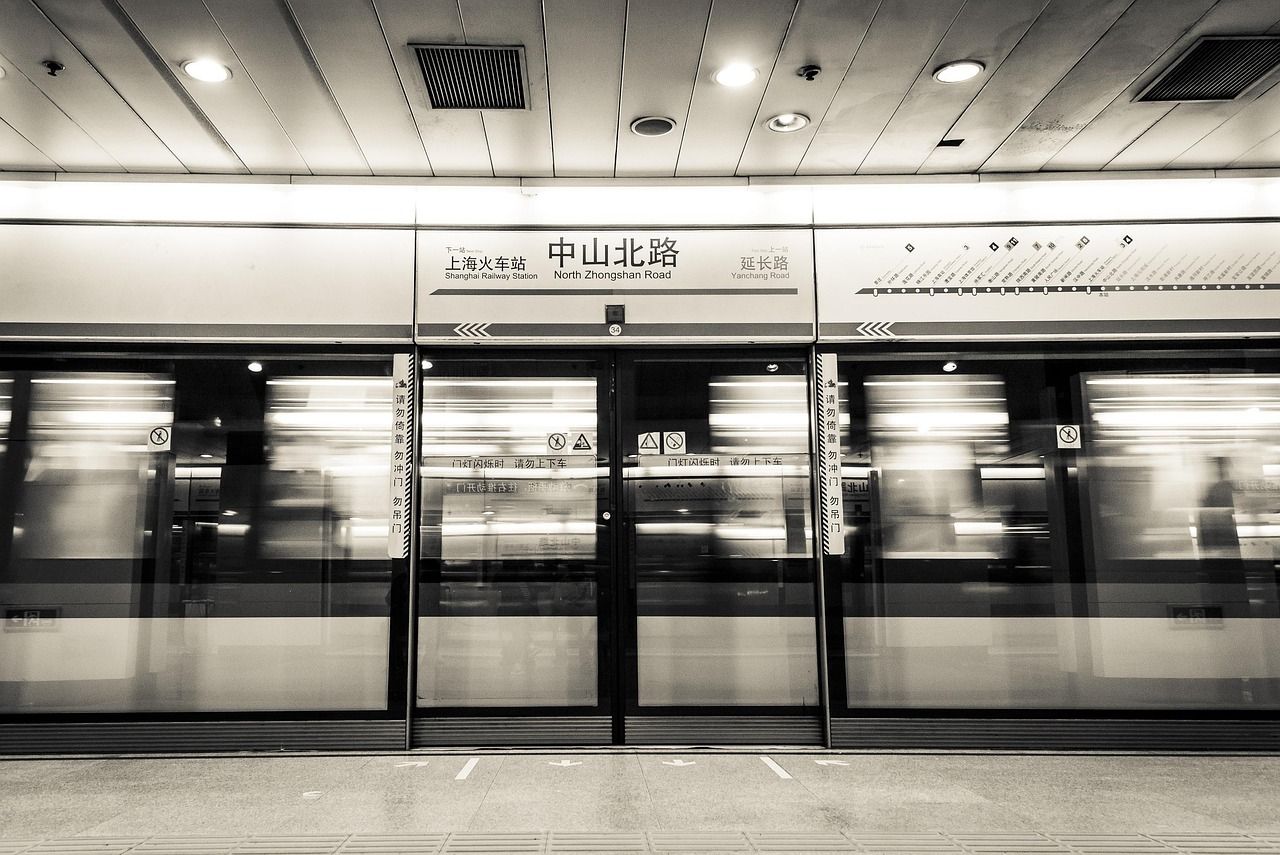
Metro Line 8 or Line 9 to "Lujiabang Road Station", exit 1, a five-minute walk; buses 18, 23 and 43 stop at Lujiabang Road, three minutes' walk. A taxi from Pudong Airport takes 50 minutes to an hour, from Hongqiao 40 minutes. The market sits in a residential district rather than a hotel area, so stay around Nanjing West Road, People's Square or the Bund, with Metro Line 8 running direct to Lujiabang Road.
Where a tour fits
The hard part of bespoke tailoring is not the concept, it is the process: which floor to start on, telling a fair quote from an inflated one, and pinning down lead time and delivery before you pay. A tour earns its price on the language and the navigation — a translator, someone to walk you past the door-front shops with inflated quotes, and help with the order terms. A guide changes the logistics, not the rules — the 3-to-7-day turnaround does not compress, and no fitting is added beyond what the workshop gives you. Read any listing to see whether it includes measuring, fabric, or only the introduction.
FAQ
Where is the South Bund Fabric Market?
No. 399 Lujiabang Road, Huangpu District, Shanghai. Metro Line 8 or 9 to Lujiabang Road Station, exit 1, a five-minute walk.
How much does a custom suit cost?
A casual suit averages ¥2,000 (a June 2026 survey average), with some shops publishing ¥2,000–5,000; qipao commonly runs ¥600–3,000. Go by the on-site quote.
How long does an order take?
Standard 3 to 7 days, rush 2 to 3 days, next-day at the fastest. Order on your first day in the city to leave room for fittings.
Can I manage without Chinese?
Yes. Merchants generally speak English, and some also handle Japanese, French, German, Korean and Spanish. Passageways carry bilingual directories, and many shops take remote video orders.
Can I claim a tax refund on custom clothing?
Usually not — tailoring is a service, while the refund targets goods. To claim one, buy fabric or ready-to-wear and meet the conditions.
How do I get the finished clothes home?
China Post and other logistics companies have moved into the market, and most merchants support self-collection, hotel delivery or international courier.
Some links in this section are affiliate links — we may earn a commission if you book through them, at no extra cost to you. Affiliate disclosure.
Check dates and availability
Timing is the whole game here — a 3-to-7-day turnaround means the day you order decides whether you get a fitting — so compare the inclusions line by line: measuring, fabric, translation, or only the introduction:
👉 Check dates and availability
Disclosure: This article includes an affiliate link. I may earn a commission if you book through it, at no extra cost to you. This guide describes publicly listed information only — I have not personally taken these tours.
Image sources: stock/library photos, credited where required.