Sanfang Qixiang, Fuzhou: The Lanes Are Free, the Old Courtyards Are Not
On this page
- Free to walk, paid to step inside
- The four courtyards that charge
- When a combo ticket is worth it
- Getting there, and the hours that matter
- What else you can chain onto it
- Money you may not know you can save
- Where a tour fits
- FAQ
- Do you need a ticket for Sanfang Qixiang?
- How much are the courtyard tickets?
- Is a combo ticket cheaper?
- How do I get there?
- When is the best time to go?
- What else is nearby?
- Check dates and availability
Sanfang Qixiang — "three lanes, seven alleys" — is the historic heart of Fuzhou, and the single most common mistake visitors make there is paying for it when they do not have to.
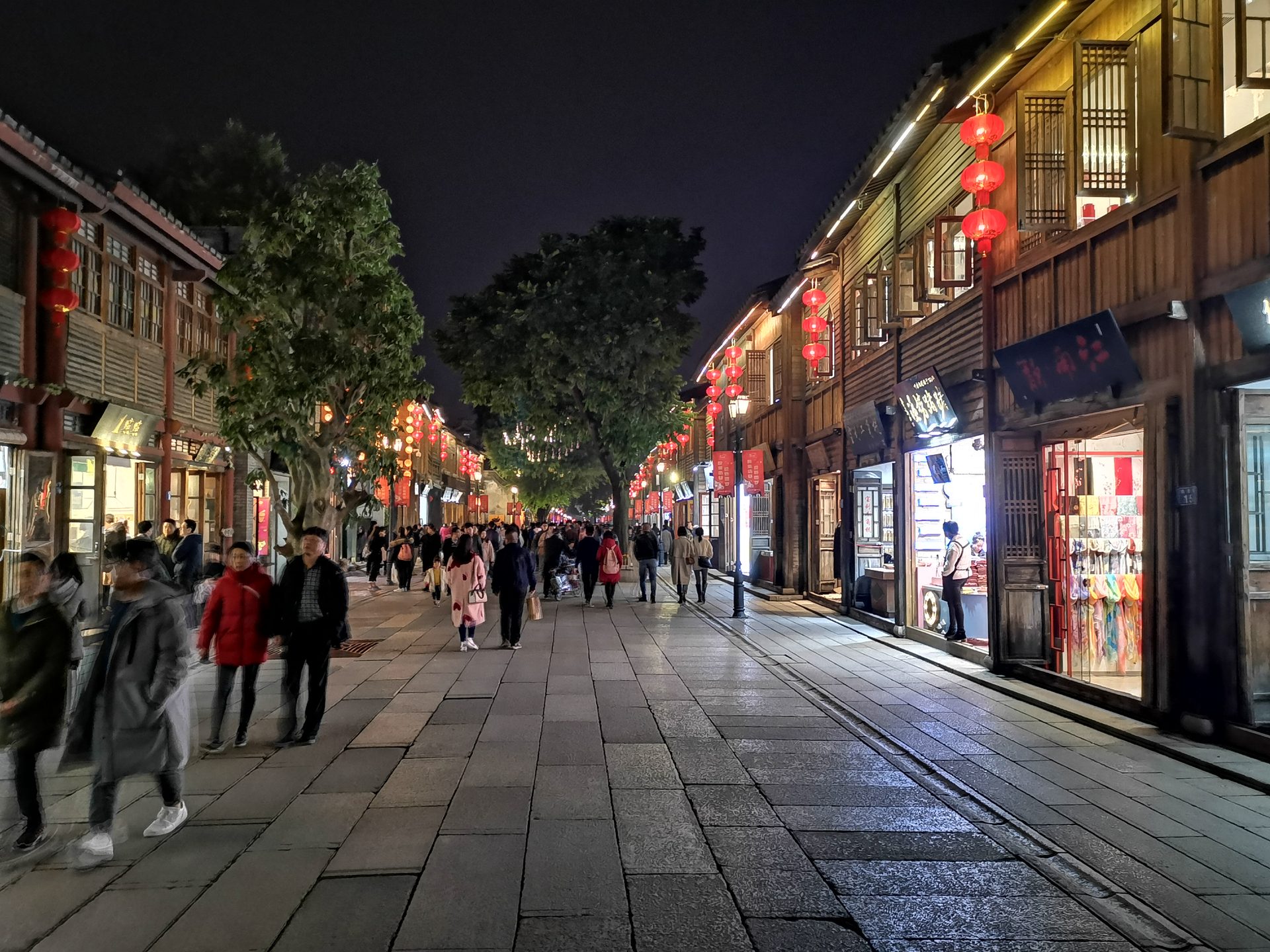
The district itself is free. It is an open historic quarter with no gate ticket, walkable all day: whitewashed walls, dark tiled gable roofs, stone lanes, and the doorways of former residents' houses all sit on the street, for nothing. What charges admission is a small set of listed heritage courtyards inside it, and each sells its own ticket. So there are two ways to get this wrong: assuming the whole district is ticketed and hovering at the entrance, or buying a combo ticket and then walking only the main street.
Free to walk, paid to step inside
The layout is worth knowing before you arrive, because it explains why the main street feels crowded and the alleys do not.
The district is three lanes plus seven alleys, with Nanzhong Street running down the middle as the spine. The lanes and alleys are residential in scale and narrow; the main street is the commercial one. Most visitors never leave the spine, which is why the side alleys stay quiet even on a busy afternoon.
Free: the lanes, the alleys, the street, the architecture, the courtyards you can see from outside.
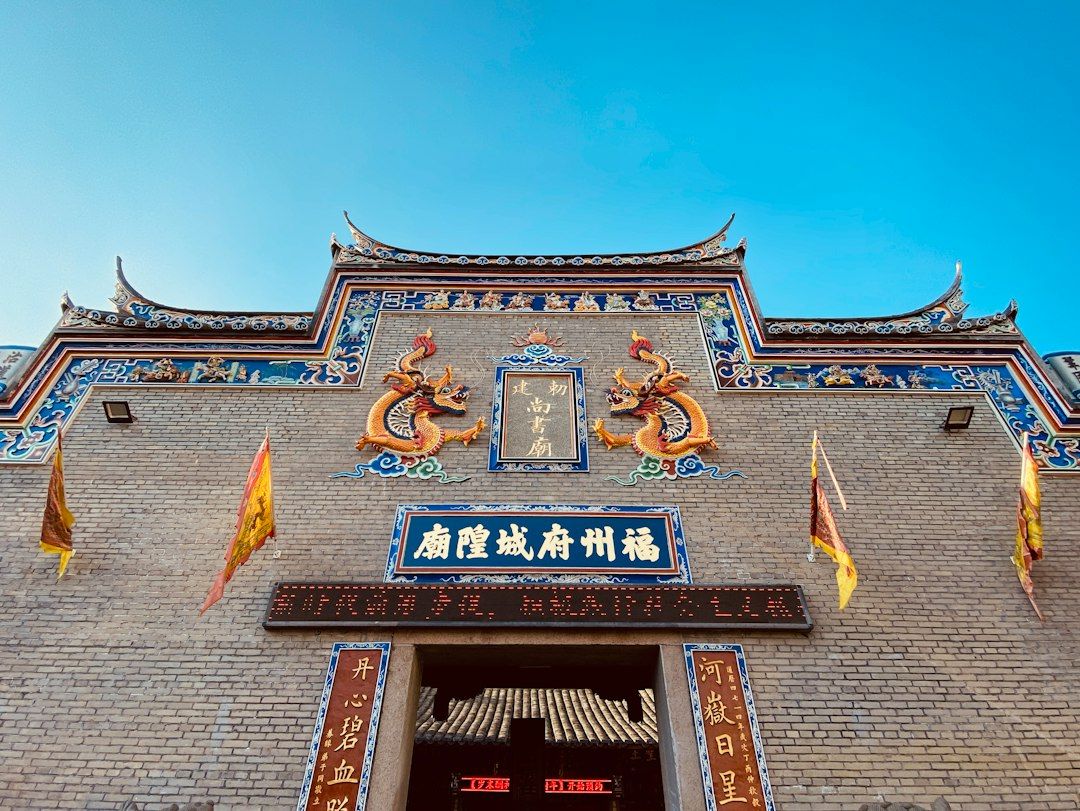
Paid: four heritage courtyards that operate as separate ticketed attractions. Nothing else on the walk requires money.
The four courtyards that charge
These are the current standard adult prices published by the site and ticket platforms:
- Yan Fu's former residence — ¥15. The home of the translator and thinker who introduced Darwin, Mill and Montesquieu to Chinese readers.
- Xiaohuanglou (the Small Yellow Mansion) — ¥20.
- The Waterside Theatre — ¥20.
- Guo Boyin's former residence — ¥10 (¥5 for seniors).
Each is small money on its own. The problem is that they are scattered between the main street and different alleys, so buying them one by one as you come across them easily costs more than a combo bought up front.
When a combo ticket is worth it
Two combo versions are commonly sold: Xiaohuanglou + the Waterside Theatre + Yan Fu's former residence for about ¥55, and those three plus Guo Boyin's former residence for about ¥65. One platform lists a Sanfang Qixiang attraction combo at around ¥120.
The rule is simple. Entering three courtyards or more, buy the combo; entering one, buy it singly. What matters more is reading the contents, because the courtyard lists differ between platforms — check which names are included before you pay, not after.
Getting there, and the hours that matter
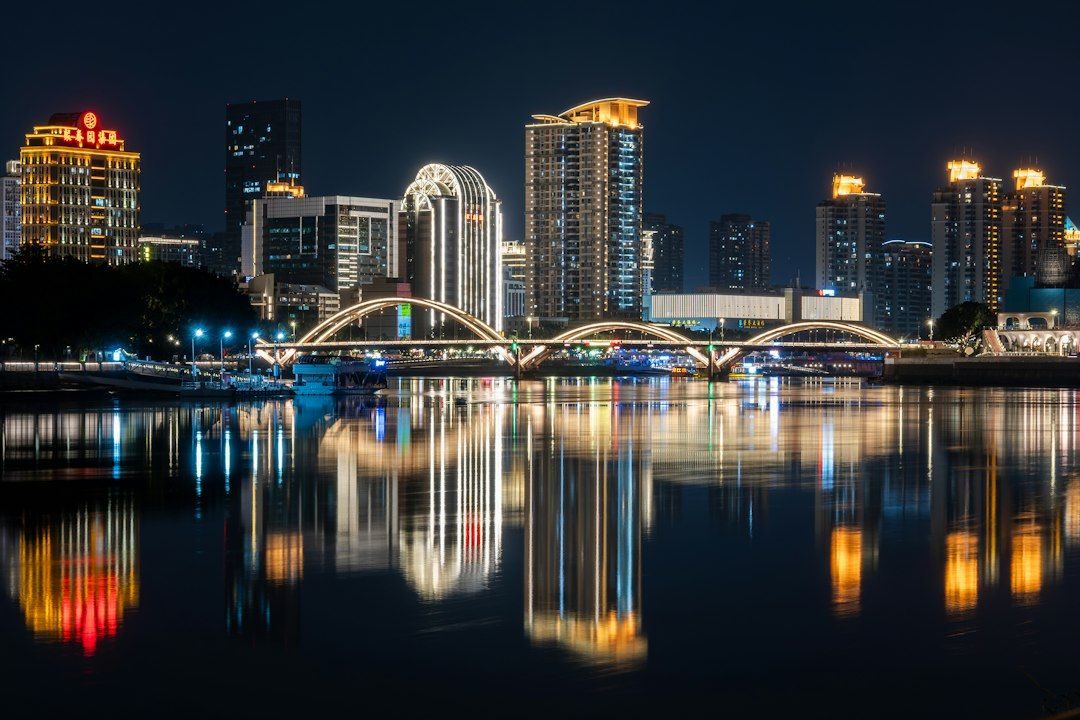
- Metro. Line 1 to Dongjiekou station, which puts you at the northern end of the district. This is the simplest approach, and getting around the city by metro is cheaper than taxis at any time.
- Timing. Before 09:00 the lanes are at their emptiest and the light is best for photographing the architecture. Crowds build from about 16:00, and the main street gets genuinely packed on public holidays.
- For clean photographs, arrive early or step off the spine into the lanes and alleys — the side streets are far quieter, and they are the actual heritage.
The district is described as a living fossil of the Chinese ward system, and that is the honest reason to come. Its value is in the street pattern itself rather than any single courtyard, so time spent walking the lanes is better spent than time spent queueing for a house.
What else you can chain onto it
Zhuzifang, Shangxiahang, Yantai Mountain and West Lake Park are all within a short distance. Two or three of them in one day is comfortable; a rushed four is not.
Fuzhou also runs 22 regular inbound and outbound passenger air routes covering 16 countries and regions, so arriving by air is straightforward, and the metro takes you into the centre without a taxi.
Money you may not know you can save
Two sets of discounts apply to this district, and both are worth checking before you travel rather than after.
Holiday transport. According to the Fuzhou municipal government, during holiday periods the whole metro network — Lines 1, 2, 4, 5 and 6 plus the Binhai Express — and flat-fare buses of ¥2 or less in the six urban districts are free to ride, a scheme that has now run for six consecutive holiday periods. In the same package, 10,000 parking spaces across the city are opened free, metro stations offer free temporary luggage storage, and at the Binhai Express stops at Fuzhou Railway Station and the airport you can check baggage in early with Xiamen Airlines. These are holiday-period measures, so confirm the current dates rather than assuming them.
The inbound visitor discount. According to the local tourism authority, travellers arriving with a boarding pass for a flight into or out of Fuzhou airport can get 50 percent off tickets at designated A-level attractions in the city within one week, and Sanfang Qixiang is on the list, along with Gushan and the Chuanzheng Culture Scenic Area. This one is worth verifying with the airport or the municipal tourism bureau before you rely on it, and worth asking exactly what the pass has to be and what the validity period is.
Where a tour fits
The district is free and open, which makes it one of the easiest places in China to visit independently: metro to Dongjiekou, walk in, buy a courtyard ticket only if you want one. Where a tour earns its money here is not access but interpretation — the architecture is a Ming and Qing residential system with specific names and functions, and the significance of the lanes is invisible unless someone explains the ward layout, the family histories and which courtyards are worth entering.
The limit of any tour here is that there is nothing to solve: no gate, no reservation and no timed entry. A guide, or a good self-guided route, adds context; it does not add entry. Check whether a listed tour includes the courtyard tickets, because those are cheap individually and are often excluded.
FAQ
Do you need a ticket for Sanfang Qixiang?
No. The district is an open historic quarter with no gate ticket, walkable at any hour. Only four heritage courtyards inside it charge admission.
How much are the courtyard tickets?
¥15 for Yan Fu's former residence, ¥20 for Xiaohuanglou, ¥20 for the Waterside Theatre and ¥10 for Guo Boyin's former residence, with seniors paying roughly half in the last case.
Is a combo ticket cheaper?
Usually, if you plan to enter three or more courtyards. Combos sell for roughly ¥55 for three and ¥65 for four, and the courtyard lists vary by platform, so check which are included before paying. If you only want one, buy it on its own.
How do I get there?
Metro Line 1 to Dongjiekou station, at the northern end of the district. During holiday periods the metro and cheap city bus routes have been free to ride.
When is the best time to go?
Before 09:00 for empty lanes and good light. Crowds build from 16:00 and peak in the main street on public holidays. The lanes and alleys stay quiet even when the main street is busy.
What else is nearby?
Zhuzifang, Shangxiahang, Yantai Mountain and West Lake Park, all close enough to pair two or three in a single day.
Some links in this section are affiliate links — we may earn a commission if you book through them, at no extra cost to you. Affiliate disclosure.
Check dates and availability
There is no entry problem to solve at Sanfang Qixiang — it is free, open and reachable by metro, which makes the inclusions, not the price, the thing to check — whether the courtyard tickets are included rather than charged on the day, and how much context the guide actually adds:
👉 Check dates and availability
Disclosure: This article includes an affiliate link. I may earn a commission if you book through it, at no extra cost to you. This guide describes publicly listed information only — I have not personally taken these tours.
Image sources: stock/library photos, credited where required.