China's 240-Hour Transit Visa-Free: 10 Days, Two Conditions, and the One Rule People Get Wrong
✅ Policy check (verified 2026-10-21): 57 countries and 65 open ports as of 20 August 2026. The 55-country / 60-port figures that most sites still quote were superseded — including on some official pages. Current text: NIA announcement, 2026 No. 4.
On this page
- What the 240-hour transit visa-free gives you
- The two conditions — miss one and it does not exist
- What does not count as transit
- What you can and cannot do in the ten days
- At check-in: tell the airline before you fly
- On arrival: the temporary entry permit
- The 240 hours: do not plan around the margin
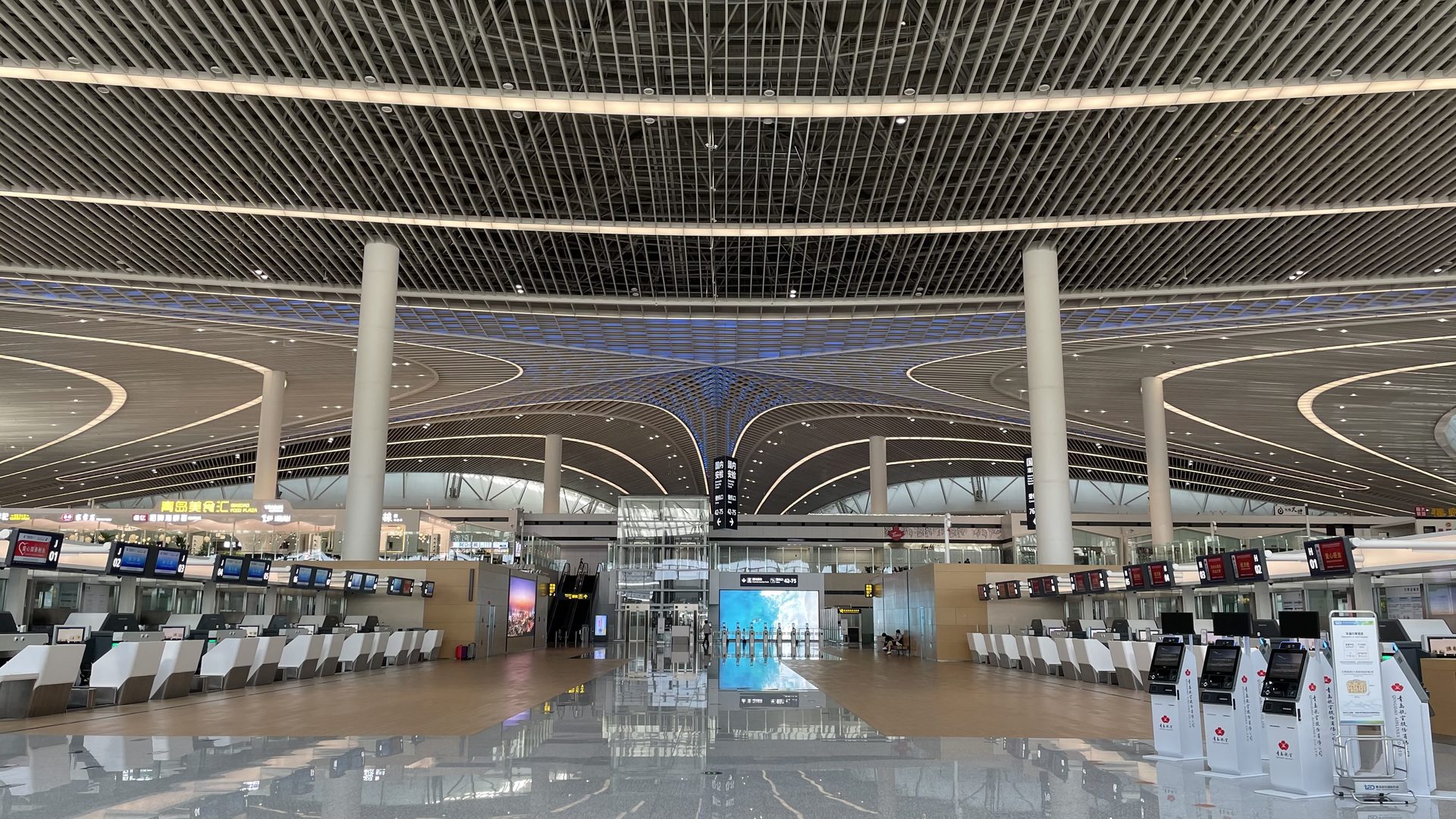
- Why Qingdao is worth using as the example
- Where a tour fits
- FAQ
- Do I need to apply in advance for the 240-hour transit visa-free?
- Can I enter in one city and leave from another?
- Does a return flight home count as an onward ticket?
- Can I work or study on it?
- Check dates and availability
240 hours is 10 days. That is the whole point of China's transit visa-free: not a few hours in an airport lounge, but ten days inside the country, legally, with permission to move between provinces — fly into Shanghai, leave from Beijing, if that suits your route.
It is not a free visa, and it is not open to everyone. It is a transit facility, and it only exists if you meet two conditions at the same time. Here is the order you meet them in: whether you qualify, what counts as transit, what you can do in the ten days, then what happens at check-in and on arrival.
What the 240-hour transit visa-free gives you
The policy comes from China's National Immigration Administration. As of 20 August 2026 the eligible-country list stands at 57 countries — 40 in Europe, 6 in the Americas, 2 in Oceania and 9 in Asia. Vietnam and Kyrgyzstan were the two added at that update.
Hold an ordinary passport from one of those countries and a connecting ticket, and you can enter visa-free at any of 65 open ports across 24 provinces, stay no more than 10 days, and move between provinces within the permitted area. In those ten days you may travel, do business, visit people or see family. Work, study and news reporting are not covered — those need a visa arranged in advance.
The two conditions — miss one and it does not exist
First, an ordinary passport from an eligible country. The policy runs on nationality, not on where you live or where you are flying from.
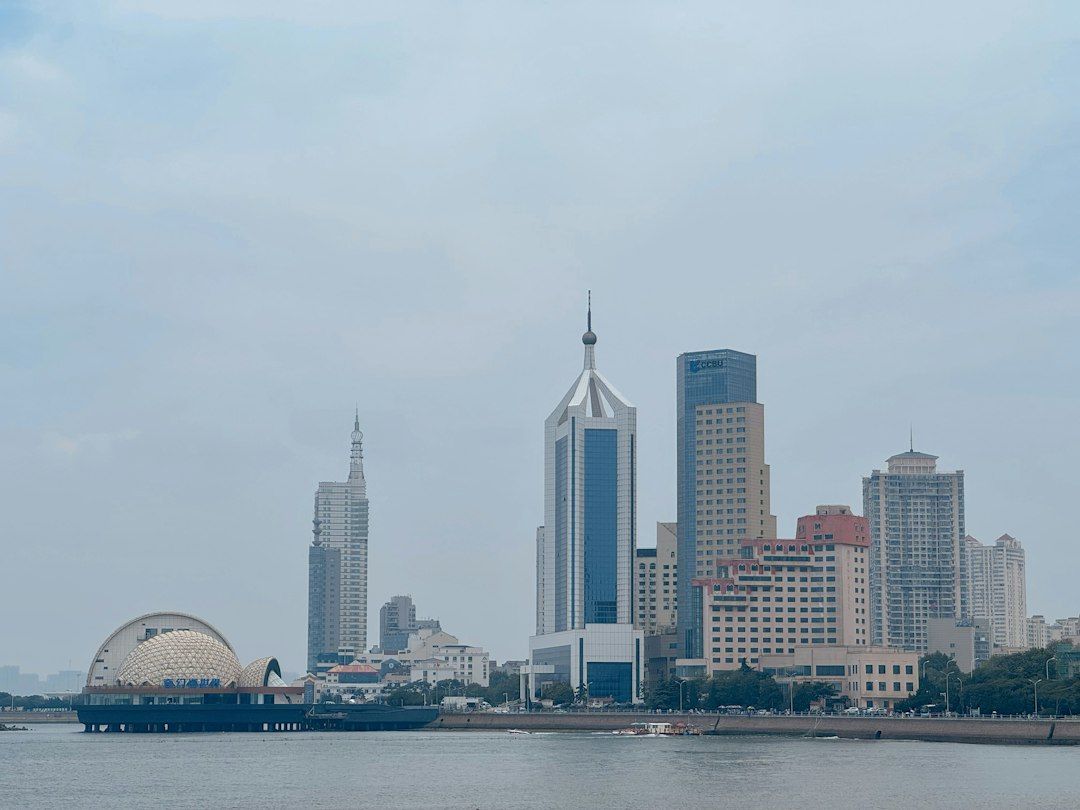
Second, an onward ticket to a third country or region, with confirmed dates and itinerary. "Transit" is meant literally: you are passing through China on the way somewhere else. This is the clause most people misread, and it is the one that gets trips cancelled at the check-in desk.
What does not count as transit
Flying back the way you came does not count. If you arrive from Bangkok and your onward ticket returns you to Bangkok, that is a round trip, not a transit, and the visa-free entry does not apply — even though you are technically leaving the country again.
China also runs a separate 24-hour transit visa-free, open far more widely, but it gives you 24 hours and you cannot leave the restricted area of the port. If your plan is to get into the city and look around, the 240-hour rule is the one you are relying on, not the 24-hour one.
What you can and cannot do in the ten days
- Allowed: tourism, business, visiting, seeing family.
- Not allowed: work, study, news reporting, and any activity requiring prior approval.
The ten days do not chain together with anything else, and they do not extend. If your actual plan is to spend a month in China, this policy is the wrong tool — you need a visa.
At check-in: tell the airline before you fly
There is no advance application and no online form to submit before you travel. What there is, is a check at the airport counter.
- Tell the check-in agent that you intend to use the 240-hour transit visa-free entry.
- Show your onward ticket. The airline verifies your eligibility once, before boarding.
- Have the onward booking printed, or saved to your phone where you can find it without signal.
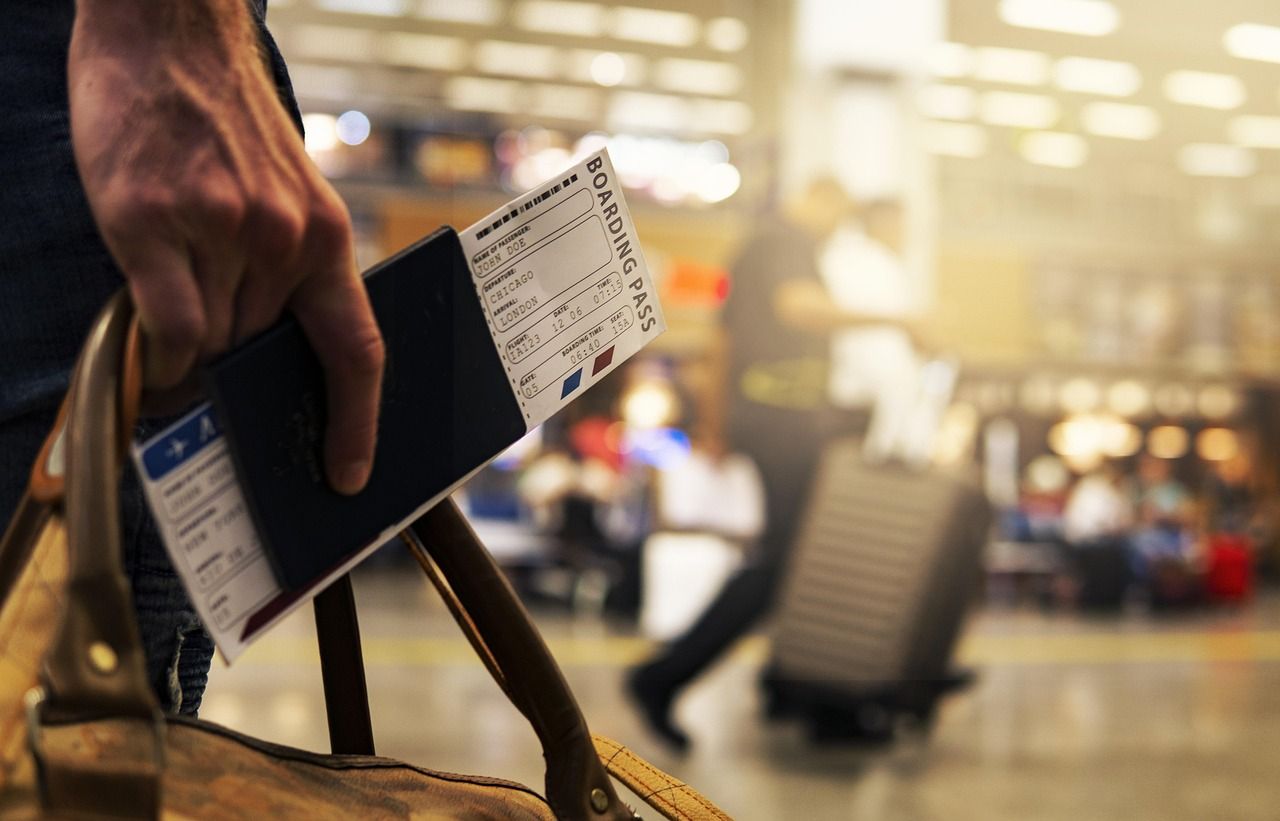
Airlines are the first filter, and they are strict about it. If you cannot show an onward booking to a third country, you may not be boarded at all.
On arrival: the temporary entry permit
At the Chinese port, follow the signs marked for visa-free transit and use the dedicated counter. Present:
- your passport,
- your onward booking,
- a completed arrival card.
Border inspection then issues a temporary entry permit, either stamped into your passport or issued as a separate slip tucked inside it. Keep it with your passport at all times. Hotels check it alongside the passport when you check in, and it is the record of the terms you were admitted under.
The 240 hours: do not plan around the margin
The official wording is only that your stay and activities may not exceed 10 days. There is no published detail on when the clock starts — whether the arrival day counts as day one, or how it is calculated for a flight that crosses time zones.
Treat ten days as the outer edge and leave yourself room. Do not build an itinerary that only works if the count starts on the day of your choosing.
Why Qingdao is worth using as the example
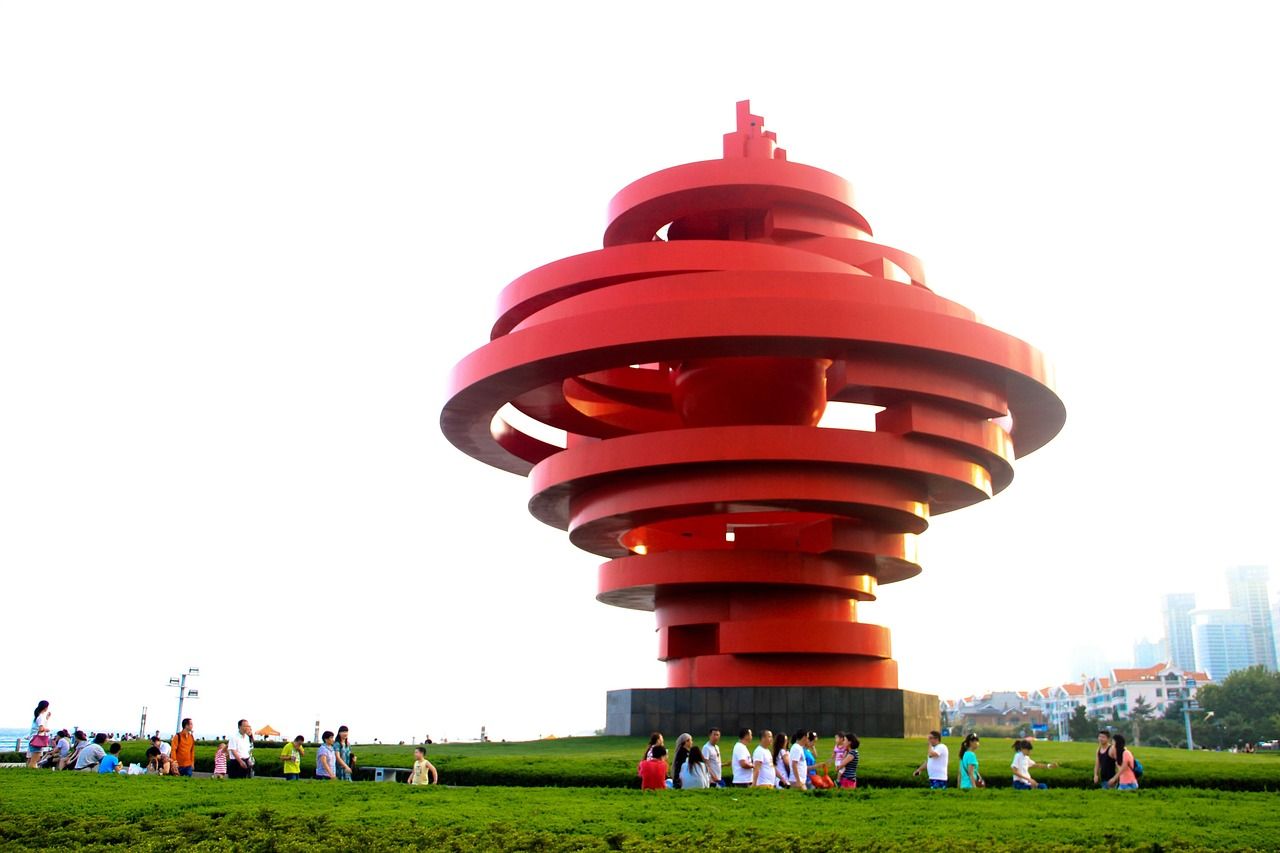
Qingdao Jiaodong International Airport is one of the 65 ports. Shandong has three more on the list: Jinan Yaoqiang, Yantai Penglai and Weihai Dashuibo.
- In the month after the policy took effect on 20 August, more than 2,800 Vietnamese travellers entered through the Qingdao port.
- Qingdao has direct flights to Hanoi and Ho Chi Minh City, 11 departures a week.
- From January to August 2026, 440,000 foreign travellers entered through Qingdao's airport port, up 34% year on year.
The airport has been building for the volume too. Since July 2026 it handles cross-airline international through-check transit — one check-in, baggage checked through — on routes such as Moscow via Qingdao to Ningbo and London via Qingdao to Hangzhou. It also offers the 24-hour transit without border inspection formalities, with hand luggage screened in about 8 seconds and inbound passengers cleared at roughly 4 minutes each.
Where a tour fits
There is no ticket to buy and no queue to beat here — the friction is the ten-day clock and the onward-ticket rule. Where a tour earns its money is the airport-to-city leg and an English-speaking hand at the counter. What a guided day cannot do is change your eligibility: the onward booking to a third country is checked against your passport, not arranged by anyone else.
FAQ
Do I need to apply in advance for the 240-hour transit visa-free?
No. There is no application and no fee. You declare your intention at check-in, and border inspection issues the temporary entry permit on arrival.
Can I enter in one city and leave from another?
Yes. Movement between provinces is permitted within the covered area. What is not permitted is entering and leaving on the same route, or leaving from a port outside the scheme.
Does a return flight home count as an onward ticket?
No. The onward destination must be a third country or region, not the country you came from. Flying back where you started is a round trip, not a transit.
Can I work or study on it?
No. Work, study and news reporting are excluded and require a visa obtained beforehand. The permitted purposes are tourism, business, visiting and seeing family.
Some links in this section are affiliate links — we may earn a commission if you book through them, at no extra cost to you. Affiliate disclosure.
Check dates and availability
Your ten days begin the moment you clear border inspection, which is usually the moment you are furthest from home, least rested, and least willing to negotiate a taxi in a language you do not read. If you are landing at Qingdao late at night, or arriving with luggage and no working data plan, a pre-booked airport transfer is worth comparing before you fly — which makes the inclusions, not the price, the thing to check: meet-and-greet, flight tracking, drop-off point.
👉 Check dates and availability
Disclosure: This article includes an affiliate link. I may earn a commission if you book through it, at no extra cost to you. This guide describes publicly listed information only — I have not personally taken these tours.
Image sources: stock/library photos, credited where required.